
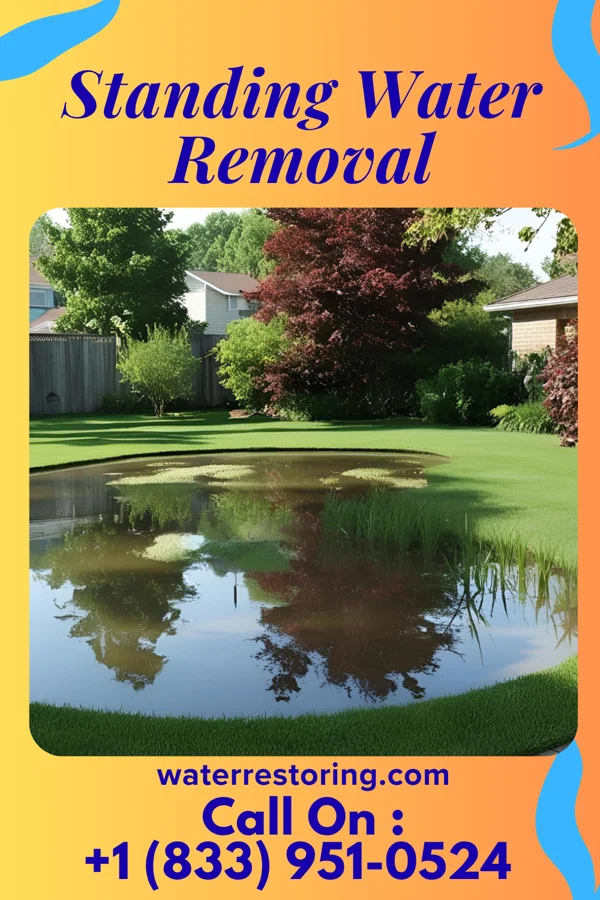
When Greenville Properties Need Standing Water Removal
Water damage in Greenville usually starts with In Greenville, Pennsylvania, the primary water damage causes include burst pipes from aging infrastructure, heavy rainfall leading to basement flooding, and leaking roofs during the spring thaw. The rural setting and proximity to streams increase the risk of sudden water intrusion, especially during severe weather events.. A close second is Secondary causes include malfunctioning sump pumps, sewer backups due to clogged drains, and water from nearby farms or agricultural runoff. The area's seasonal changes also contribute to frozen pipes in winter and increased groundwater pressure in spring.. Professional restoration follows the IICRC protocol on every job. Assess. Extract. Dry. Sanitize. Document.
Greenville experiences a humid continental climate with significant precipitation, making it prone to water damage year-round. The region's topography and proximity to water sources like the Susquehanna River add to the risk of flooding and water infiltration.
Water damage in Greenville follows a few local patterns. In Greenville, Pennsylvania, the primary water damage causes include burst pipes from aging infrastructure, heavy rainfall leading to basement flooding, and leaking roofs during the spring thaw. The rural setting and proximity to streams increase the risk of sudden water intrusion, especially during severe weather events. accounts for the bulk of our calls. Greenville experiences a humid continental climate with significant precipitation, making it prone to water damage year-round. The region's topography and proximity to water sources like the Susquehanna River add to the risk of flooding and water infiltration. Mold growth in Greenville can occur rapidly due to high humidity and frequent rain, especially in older homes without proper insulation. Prompt water damage response is crucial to prevent long-term mold issues and health risks.